









Because caring for urban life —all of it— is the first step toward more sustainable and healthier communities.
For years, when we talked about biodiversity, we thought of jungles, seas or nature parks. And when we mentioned environmental volunteering, we associated it with traveling to nature reserves or spectacular places full of unique ecosystems.
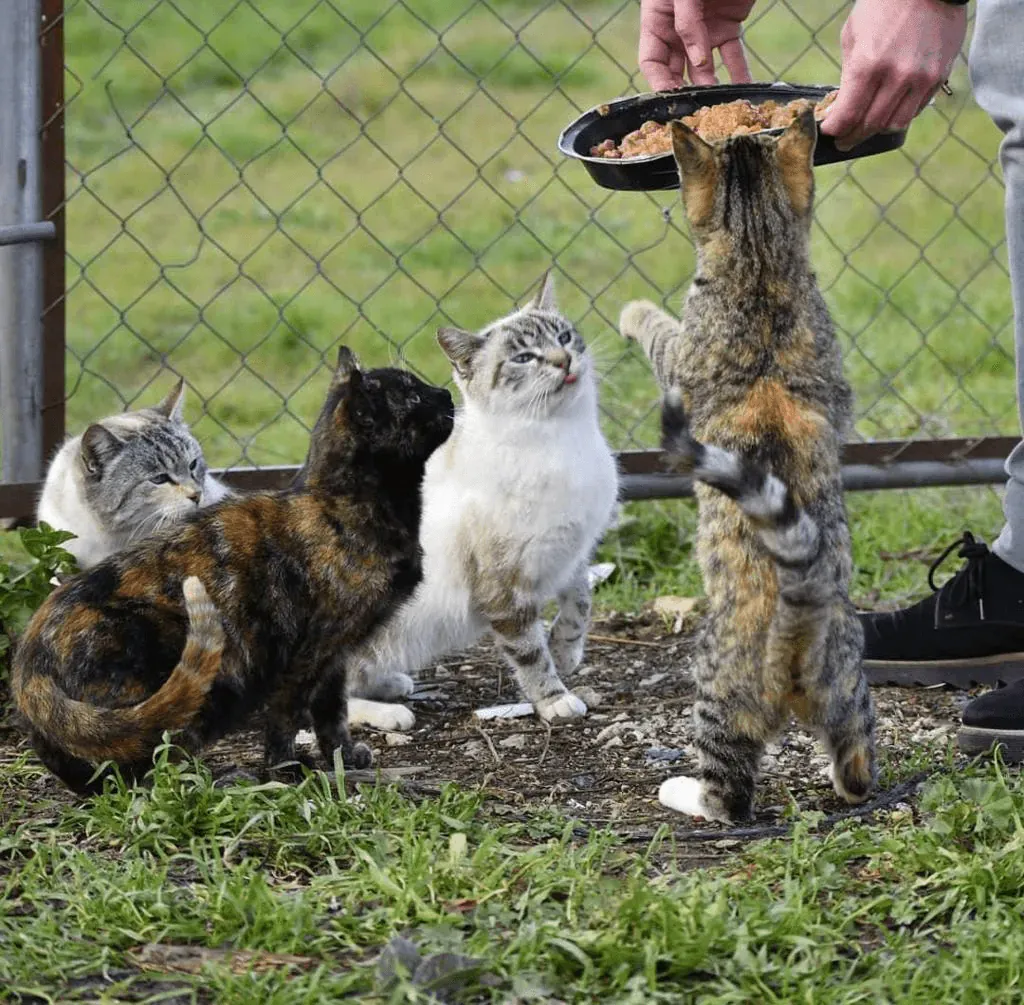
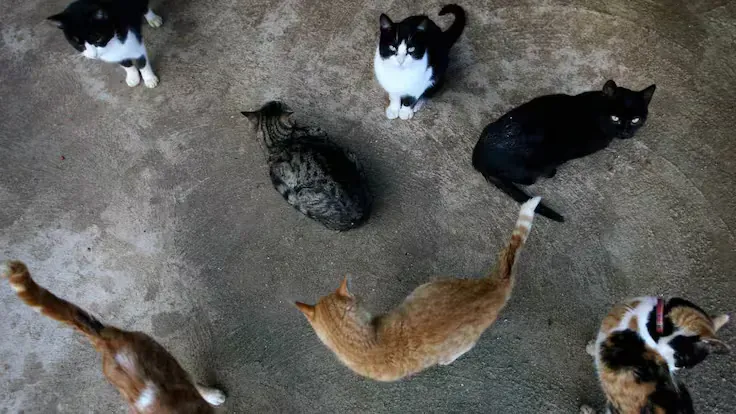
But wait, don’t we have parks and gardens in our cities? Don’t we live in towns literally surrounded by nature? Don’t we already share our lives with pets and companion animals, with community cats living in colonies, with pigeons, sparrows and magpies? Aren’t we happy when the storks come back to nest on the church towers of our villages? And don’t we get “annoyed” when, once again, wild boar burst into our green areas in the middle of summer in the Sierra?
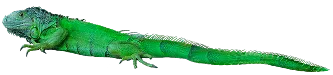
We could go on with a thousand examples: the field mice and moles in our gardens, the rats and cockroaches that show up with the heat, the raccoons that are starting to live along the banks of Madrid’s Manzanares River, the monk parakeets nesting in the trees of Madrid’s Casa de Campo park, or the dreaded Asian hornets building their nests across the mountains of northern Spain.
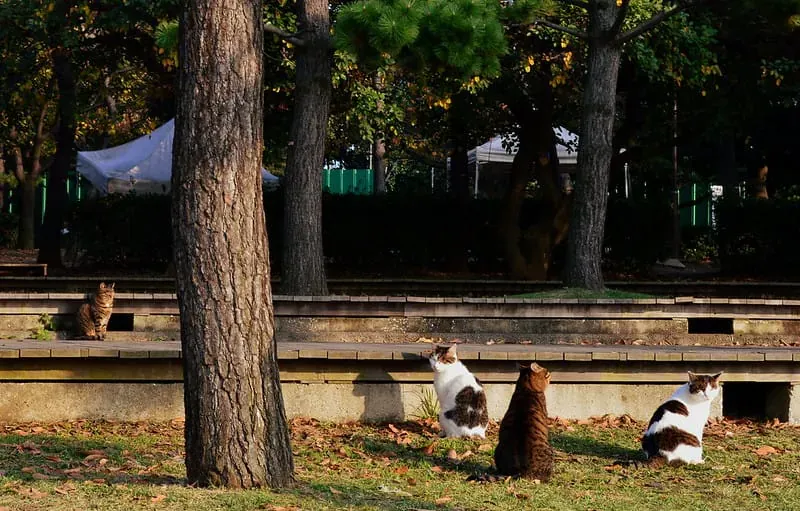
Nature never left: it is still here, between pavements, rooftops and gardens. In every community cat, in every sparrow, in the trees that filter the air we breathe.
Cities are now the new habitat of millions of species —ourselves included—: animals, plants, insects… And, for better or for even better, for years now there has been an unstoppable trend: rewilding, the renaturalization of cities. Not only to mitigate high temperatures or absorb carbon, but also to improve the quality of urban life.
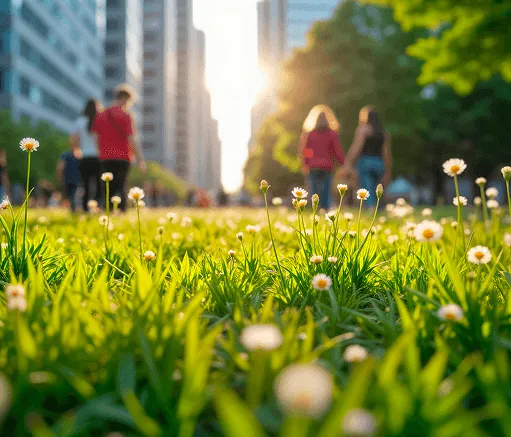
Have you heard the recommendation that the ideal is to have three trees visible from your window and a park less than 300 meters away (Madrid City Council, in Spanish)? For mental health, for physical health, and because they make our cities more beautiful and healthier places to live.
Understanding how we live together in this shared ecosystem is key for the future. It is not only about protecting animals: it is about public health, well-being and balance. About encouraging outdoor exercise in pleasant surroundings, promoting environmental education in the parks next to schools, enjoying the sight of a mother duck with her ducklings or photographing the storks getting ready for their journey south.
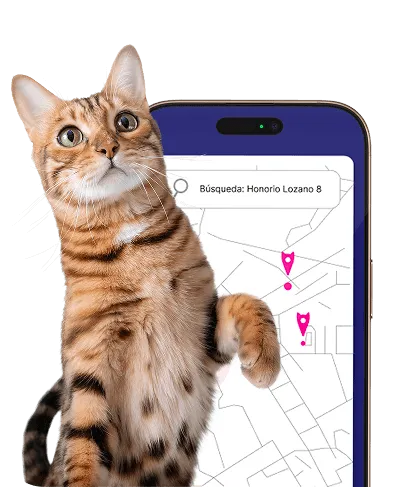
And if, besides living alongside these creatures, we know how many there are, where they are and what dynamics they have… If, besides knowing them, we understand them… wouldn’t it be wonderful to be able to anticipate interactions, prevent pests or detect critical points? To know what nature we have in our municipality, so we can be proud of it? And to raise our children knowing and caring for their surroundings?
That is, precisely, our dream.
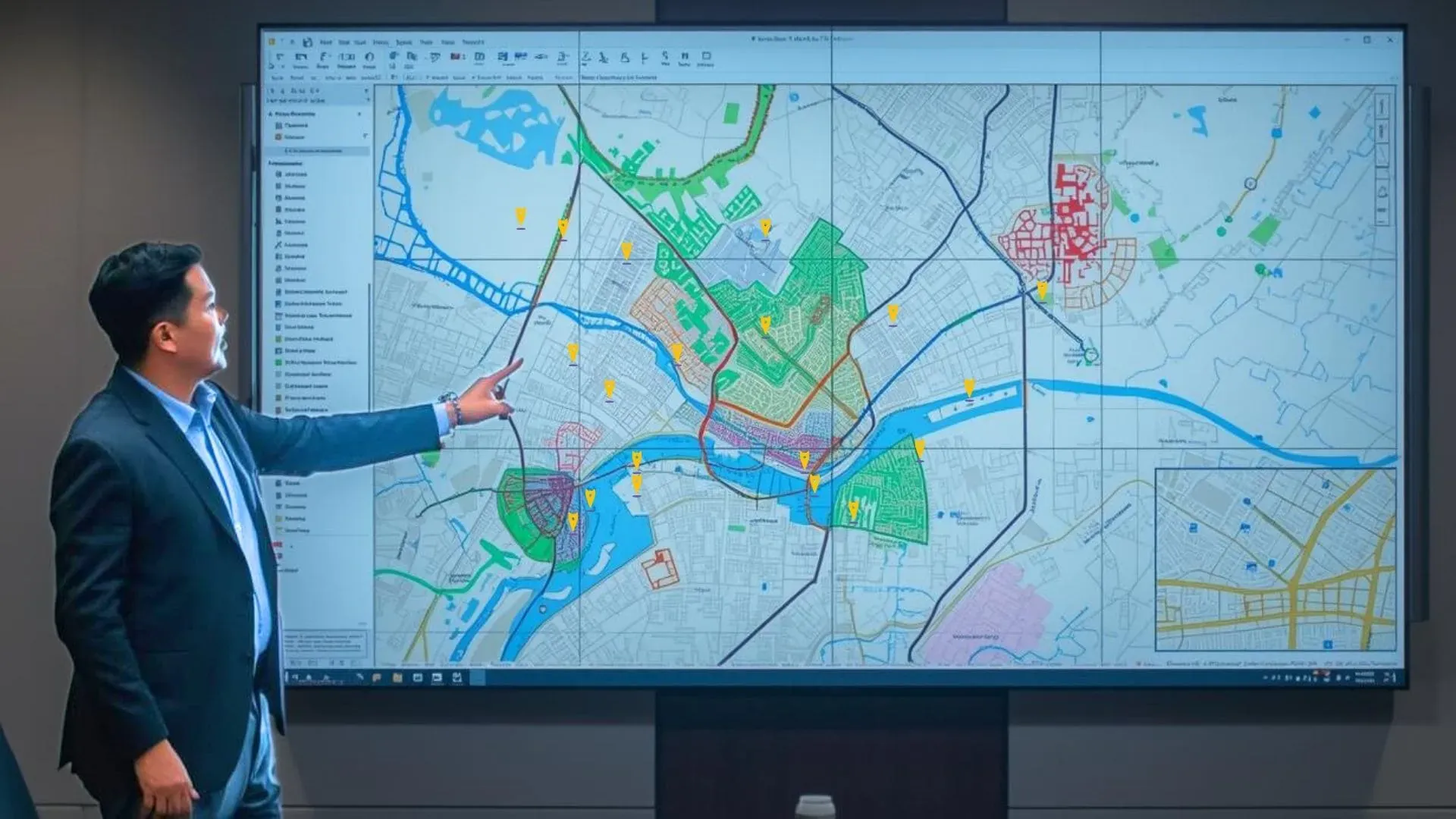
At Zoometrics, we believe data can be a bridge between science, citizens and public administration. That measuring urban biodiversity is not an end in itself, but a tool to take care of it. That is why we work together with municipalities, volunteers and technical staff to turn that complexity into clear, collaborative and human decisions.
Urban biodiversity is a mirror: it reflects who we are as a community. If we take care of it, we take care of ourselves.
The future of our cities starts here, in the places where life still beats.
And that future —with data, collaboration and will— we can build together.
Have you ever stopped to look at how much life there is on your street? Start there 😉