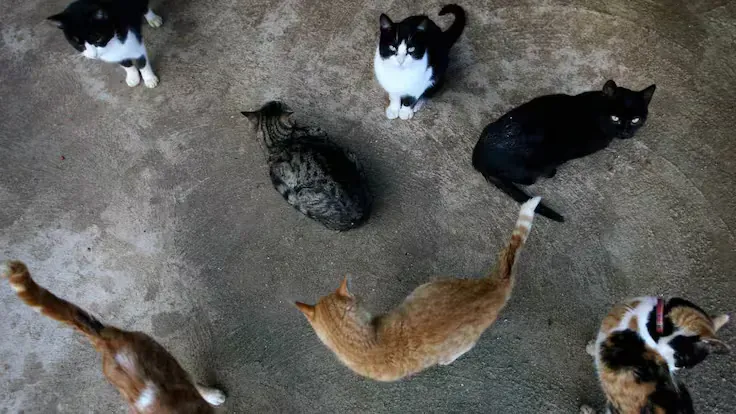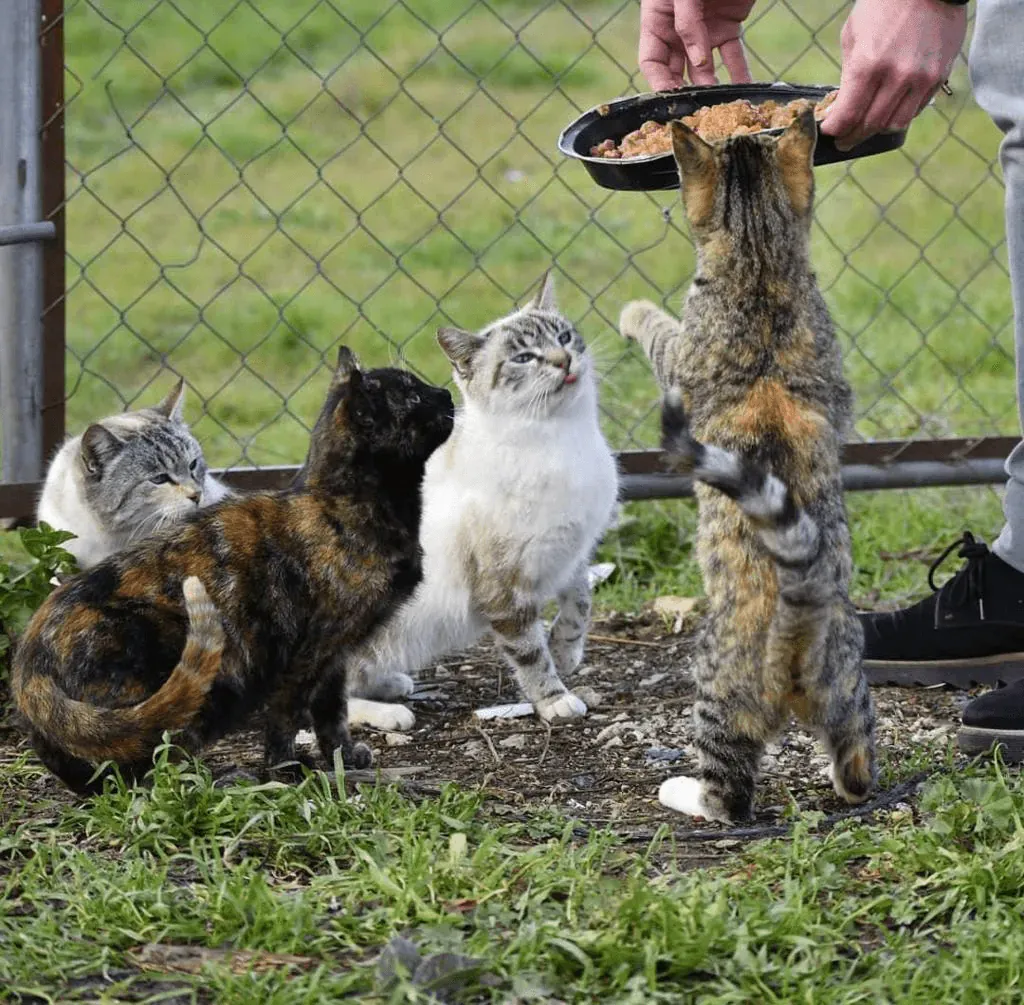










The implementation of Ley 7/2023 de bienestar animal (Spain’s Animal Welfare Act), approved on March 28, represents a major turning point in the management of community cat populations across the country. Focused on strengthening animal rights and welfare standards, this legislation introduces a new framework that is transforming how municipalities approach the ethical management of community cat colonies.
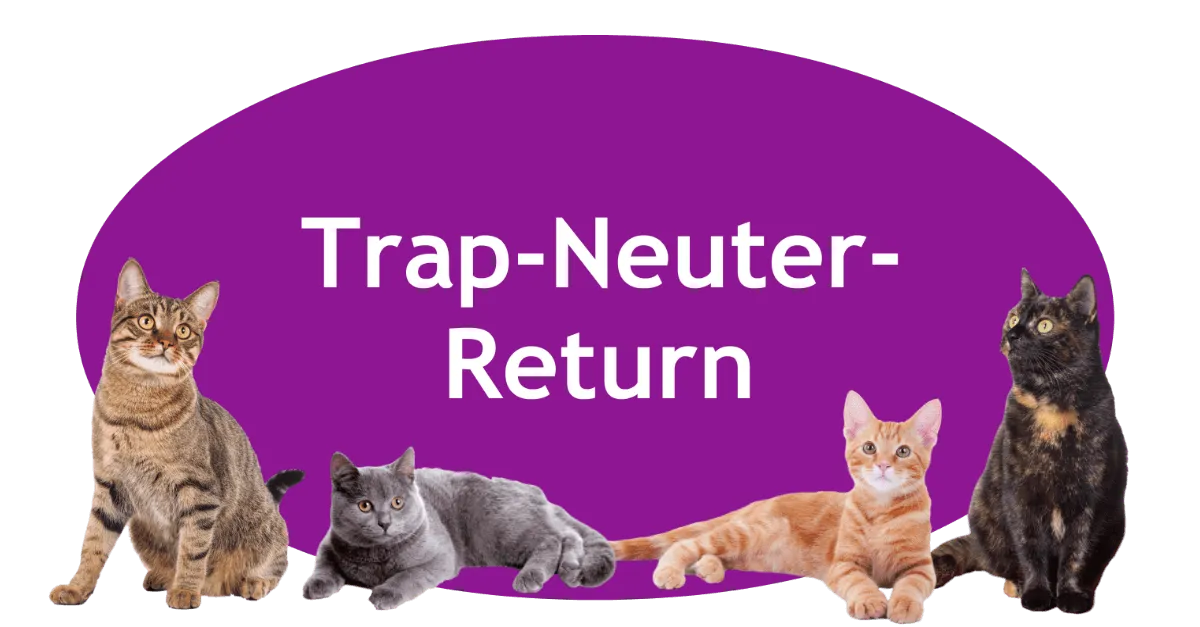
At the center of this transformation is the TNR (Trap-Neuter-Return) protocol, a structured and humane method that has become a key pillar of modern community cat management in Spain.
Law 7/2023 and the TNR Protocol: A New Era for Community Cat Management
The TNR protocol is based on three essential principles:
- trapping community cats safely;
- sterilizing them to control population growth;
- and returning them to their original territory under managed conditions.
This approach not only helps reduce feline overpopulation ethically and sustainably, but also seeks to preserve animal welfare while minimizing the impact of unmanaged colonies on urban environments.
With the implementation of Law 7/2023, Spain is moving toward a more organized and professionalized model of community cat management. The objective is not simply population control, but also the promotion of:
- animal welfare;
- public health;
- urban coexistence;
- and responsible municipal governance.
The Technical Guidelines: An Essential Tool for Municipalities
To support municipalities in effectively implementing the TNR protocol, Spain’s General Directorate for Animal Rights has developed a Technical Guideline document.
This document provides the technical foundations and operational knowledge required for local governments to develop Community Cat Colony Management Programs aligned with Law 7/2023.
The Technical Guideline was designed as a practical and adaptable resource offering different operational models and management scenarios. Its purpose is to help each municipality implement the most suitable strategy according to:
- territorial characteristics;
- organizational capacity;
- available financial and human resources;
- and local realities.
This flexibility is essential because every municipality faces unique challenges in managing community cat colonies.
Collaboration and Adaptation: The Foundations of Successful TNR Programs
One of the most important aspects of this initiative is its collaborative nature.
The Technical Guideline was developed with the participation of:
- autonomous communities and cities;
- municipal federations;
- veterinary associations;
- and animal protection organizations.
Thanks to this collaborative effort, the document reflects extensive and up-to-date knowledge regarding ethical feline population management.
In addition, the guideline is designed to evolve continuously by incorporating:
- new scientific evidence;
- field experience;
- operational improvements;
- and emerging best practices.
This ensures that local governments will continue having access to relevant and effective tools as community cat management policies evolve over time.
The Future of Animal Welfare in Spain: A Collective Responsibility
Law 7/2023 and the implementation of TNR programs represent one of the most significant advances in animal welfare policy in Spain in recent years.
The collaboration between municipalities, veterinarians, volunteers, and animal welfare organizations — combined with practical tools such as the Technical Guideline — is essential to creating long-term positive impact in community cat management.
This collective effort will allow municipalities to address community cat populations more effectively while promoting balanced coexistence between urban communities and community cats.
Digital Transformation Will Also Play a Key Role
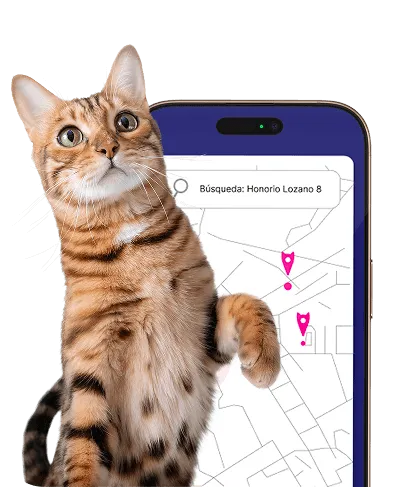
As municipalities continue adapting to Law 7/2023, digital transformation is becoming increasingly important within community cat management.
Managing colonies efficiently requires:
- updated censuses;
- veterinary traceability;
- incident tracking;
- volunteer coordination;
- and reliable data for public decision-making.
This is why more municipalities are beginning to adopt specialized digital platforms capable of transforming fragmented information into structured and actionable data.
The future of community cat management in Spain will depend not only on legislation, but also on collaboration, organization, and intelligent tools capable of supporting long-term municipal animal welfare strategies.
Conclusion
Spain’s Animal Welfare Law 7/2023 establishes a stronger and more structured framework for ethical community cat management.
By promoting organized TNR programs, collaboration between stakeholders, and evidence-based management practices, the legislation is helping municipalities move toward more sustainable, transparent, and effective animal welfare policies.
As local governments continue implementing these new responsibilities, the combination of legislation, field experience, and technological innovation will play a decisive role in shaping the future of community cat management in Spain.
Together, municipalities, volunteers, veterinarians, and digital solutions can help create a more ethical and sustainable future for community cats and urban coexistence.
https://www.dsca.gob.es/sites/default/files/publicaciones/directriz-tecnica-colonias-felinas.pdf