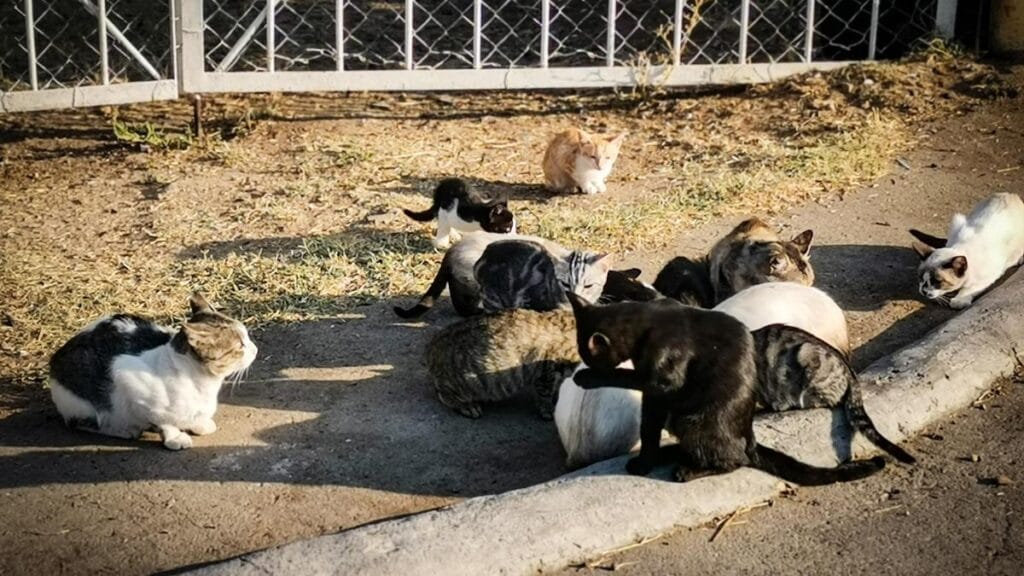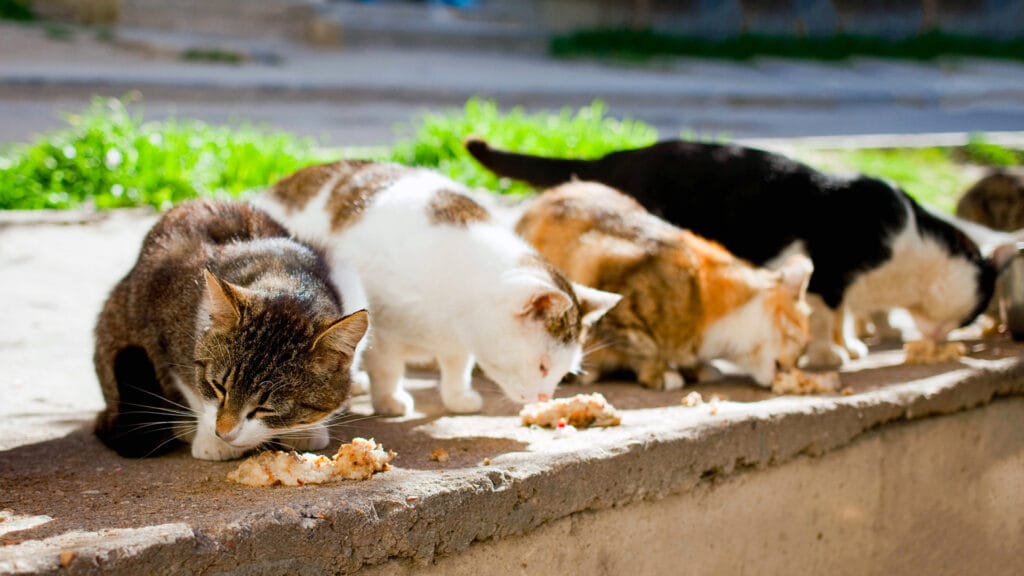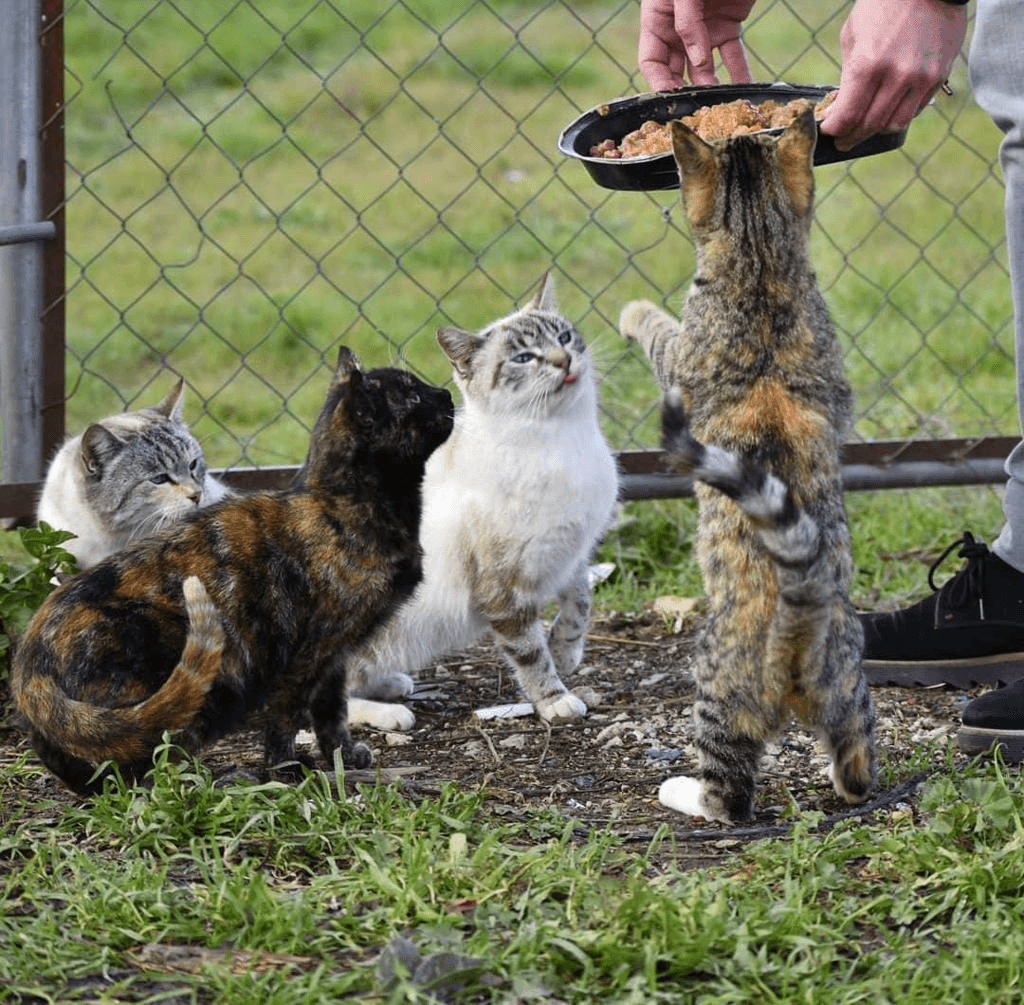










Community cat management is not only about technology. With Meow Metrics, data becomes a tool to support collaboration between caregivers, municipalities, and animal welfare organizations, helping communities make more informed and compassionate decisions .
When municipalities begin digitalizing TNR programs (Trap–Neuter–Return), many people imagine a simple process: install the platform, create user accounts, and start working.
Alley Cat Allies – Step-by-Step Guide to Trap-Neuter-Return
But reality is often much more complex.
Because behind every municipal TNR program there are:
- volunteers;
- municipal teams;
- veterinary clinics;
- animal welfare organizations;
- and years of existing habits, communication methods, and local dynamics.
And every municipality works differently.
That is why, from the very beginning, we understood something essential:
Technology matters — but technology alone is not enough.
And this is exactly why Meow Metrics also organizes in-person workshops.
The Human Side of Community Cat Management
Spain’s Animal Welfare Law 7/2023 represented an important step forward for ethical community cat management.How Spain’s Animal Welfare Law 7/2023 Balances Community Cat Management and Biodiversity Conservation
One of its strongest messages is clear:
municipalities and volunteers must collaborate.
We fully agree with this vision.
However, there is another reality that legislation alone cannot solve:
Collaboration does not appear automatically.
Every municipality arrives with a different history.
In some cities, coordination between municipal teams and colony caregivers already works very well.
In others, there may be:
- years of misunderstandings;
- communication difficulties;
- operational tensions;
- or simply a lack of shared tools and organization.
Volunteer networks are also incredibly diverse.
Some people are very comfortable with digital tools.
Others are not.
Some colony caregivers have decades of field experience.
Others are just beginning.
People communicate differently.
Work differently.
And organize differently.
This diversity is normal.
But it also means that implementing a community cat management platform should never be reduced to sending login credentials or a PDF manual.
Why We Chose to Be Present on the Ground
Whenever municipalities request it, we travel directly to work alongside them.
Not as a symbolic commercial gesture.
And not simply as a sales strategy.
We do it because experience has repeatedly shown us something very simple:
Implementation works far better when it happens together with the people who will actually use the platform.
Our workshops have one concrete objective:
to ensure that Meow Metrics becomes operational from day one.
During these sessions, we:
- introduce the platform;
- assist with installation and setup;
- work with real municipal examples;
- answer operational questions in real time;
- and support users until they feel comfortable using the system independently.
For us, this is not only about explaining where to click.
It is about helping people integrate the platform naturally into their daily work.
Because a collaborative platform only works when people genuinely feel that it simplifies and improves coordination.
Workshops Also Become Spaces for Listening
Over time, we discovered something unexpected.
Many workshops become much more than technical training sessions.
They become spaces for listening.
Before presenting the platform, we first try to understand:
- how the municipality currently operates;
- how volunteers coordinate;
- what operational difficulties exist;
- and which processes create frustration or inefficiencies.
We strongly believe that no digital solution should ever be implemented without first understanding the local reality.
And something very interesting often happens during these workshops:
people begin listening to each other more effectively as well.
Volunteers often gain a better understanding of municipal limitations and administrative realities.
At the same time, municipal teams frequently discover the enormous amount of invisible daily work carried out by colony caregivers.
We are not talking about formal mediation.
And we certainly do not pretend to solve years of history in a single meeting.
But these workshops often create something extremely valuable:
A new starting point focused on the one objective everyone already shares: the welfare of community cats.
Our Real Difference Is Not Only the Software
There is something we often say internally:
managing cats matters.
But managing collaboration is often even more important.
Creating maps, forms, or databases is technically possible for many companies.
What is genuinely difficult is building a platform that reflects how municipalities and volunteers actually work on the ground.
That is where we believe Meow Metrics brings real value.
Our experience combines:
- municipal coordination;
- TNR program implementation;
- animal welfare management;
- veterinary practice;
- biology;
- environmental engineering;
- and operational field experience.
Most importantly:
We understand both the administrative reality and the volunteer reality.
And that changes the way a platform should be implemented.
We do not believe in rigid systems.
We believe in:
- listening;
- adapting;
- supporting;
- and helping municipalities and volunteers work better together.
Why This Support Is Included in the Service
There is an important decision behind all of this.
Our support and implementation assistance are not treated as optional extras.
They are included as part of the service itself.
Because we genuinely do not believe in selling a software license and disappearing until the following year.
We believe in:
- remaining available;
- answering questions when challenges appear;
- adapting processes when necessary;
- and helping implementation succeed under real operational conditions.
For us, digital transformation only makes sense when it helps people work better together.
That is what we are trying to build through Meow Metrics.
Not only a digital platform but also a different and more collaborative way of managing community cat welfare.
- Alley Cat Allies – Community Cats and Trap-Neuter-Return (TNR)
- Community Cats Central – Training and Resources for Colony Caretakers