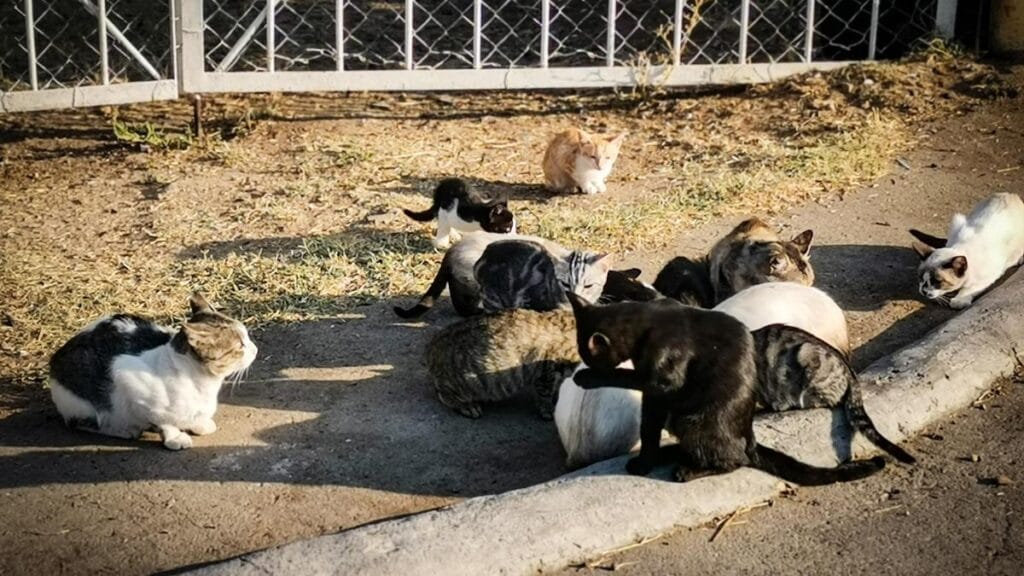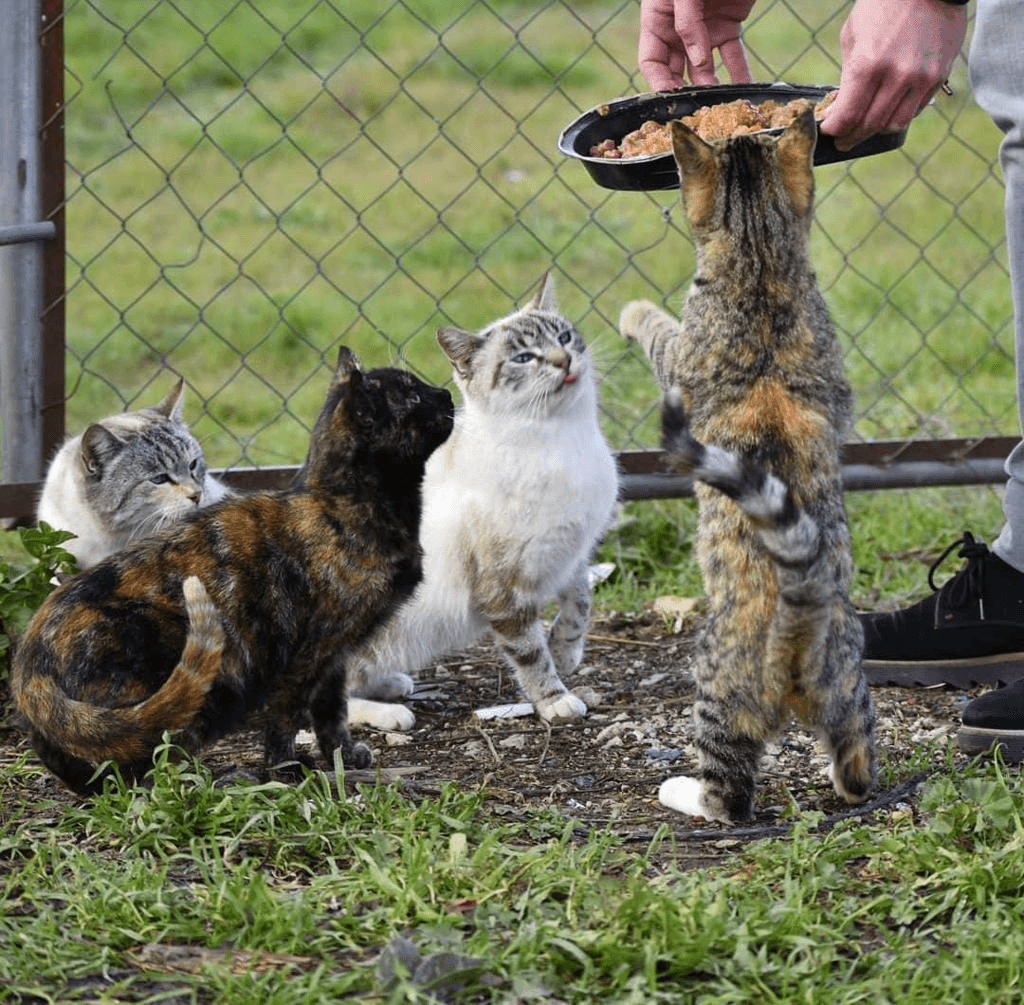











DGDA 2026 municipal grants are now available and represent a major opportunity for municipalities seeking to finance and strengthen their TNR programs (Trap–Neuter–Return).
Spain’s Directorate-General for Animal Rights has officially published the 2026 grant call for local authorities, aimed at improving community cat management through structured CER programs.
You can consult the official updated information here:
👉 Official DGDA 2026 Grant Information
And access the complete official annexes directly here:
👉 https://dsca.sede.gob.es/procedimiento/portada?idProc=134542
A Strategic Opportunity for Municipalities
This grant program has become a key financial tool for municipalities wishing to:
- implement or strengthen their municipal TNR program;
- improve community cat population control;
- professionalize municipal animal welfare management;
- and access funding for structured, long-term interventions.
However, one major obstacle continues to appear repeatedly:
The technical and administrative workload required to prepare the application — especially Annex I (technical project report).
The Real Challenge: Turning Dispersed Information into a Solid Technical Proposal
The DGDA 2026 municipal grant process is based on the submission of a technical project report.
Applications are evaluated exclusively on the information presented within the proposal itself.
This means municipalities must:
- maintain an updated colony census;
- justify planned interventions;
- structure eligible expense categories correctly;
- and align the project with the official evaluation criteria.
In practice, this often represents hours — or even days — of technical and administrative work.
And as many municipalities already know, Annex I simplifies the operational reality of a municipal TNR program and does not fully reflect the complexity behind real field management.
This makes a well-structured and coherent technical report absolutely essential from the very beginning.
The Solution: Automatic Grant Documentation Generation with Meow Metrics®
With the new DGDA 2026 Grants Module, Meow Metrics® allows municipalities to automatically generate much of the required documentation directly from the data already registered inside the platform.
What does this mean in practice?
- Colony censuses remain permanently updated in real time;
- Colony, individual, and intervention data are already structured;
- Information is automatically transferred into Annex I (technical report);
- The document is generated ready for review and submission;
- And the entire process can be completed in minutes.
From daily operational management to public funding — without rebuilding information manually.
DGDA 2026 Grants: From Daily Management to Public Funding
This completely changes the traditional process.
Before
- Dispersed Excel files;
- WhatsApp conversations;
- fragmented emails;
- manual reconstruction of information;
- high risk of inconsistencies and errors.
Now
- Centralized and traceable data;
- Automatic technical report generation;
- Full consistency between operational reality and submitted documentation.
Meow Metrics® does not simply help municipalities manage TNR programs.
It transforms daily management into a direct foundation for accessing public funding.
A Platform Already Aligned with Grant Evaluation Criteria
One of the greatest advantages of structured digital management is that many of the evaluation requirements already become part of everyday operations.
The platform naturally facilitates:
- updated colony and individual censuses;
- volunteer and veterinary participation records;
- health monitoring and traceability;
- structured project planning;
- and intervention tracking.
In many municipalities, this information no longer requires additional administrative work.
It already exists because it is part of the daily operational workflow.
Beyond the Application: Real Municipal Planning
As an additional support resource, Meow Metrics® also provides municipalities with a practical operational guide:
📄 Checklist for Building a High-Quality Municipal TNR Program
Based on real municipal implementation experience, this document helps municipalities:
- identify operational needs;
- plan interventions more effectively;
- align projects with eligible funding categories;
- and structure expenditures coherently.
Its objective is not to artificially increase scoring.
Its objective is to help municipalities build stronger, more realistic, and more operational TNR projects from the beginning
A New Way to Approach Municipal Grants
The DGDA 2026 grant call is not only a funding opportunity.
It is also an opportunity to professionalize municipal community cat management.
Because the real difference is not simply submitting an application.
The real difference is submitting:
- real data;
- coherent technical planning;
- structured operational management;
- and a realistic capacity for implementation.
In this context, platforms like Meow Metrics® transform what was traditionally a complex administrative process into something:
faster, more structured, traceable, and data-driven.
And ultimately, that is what modern municipal management increasingly requires.