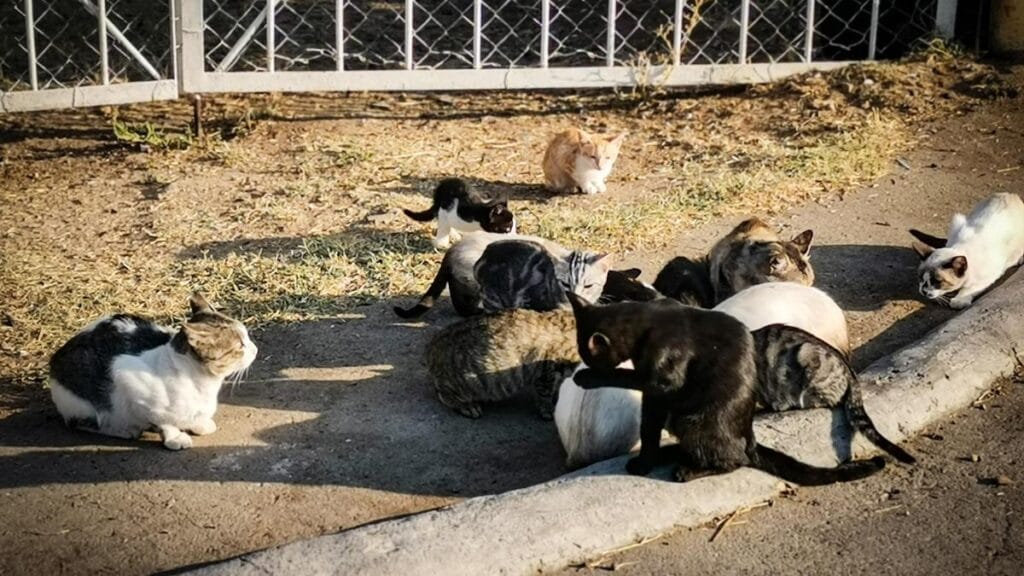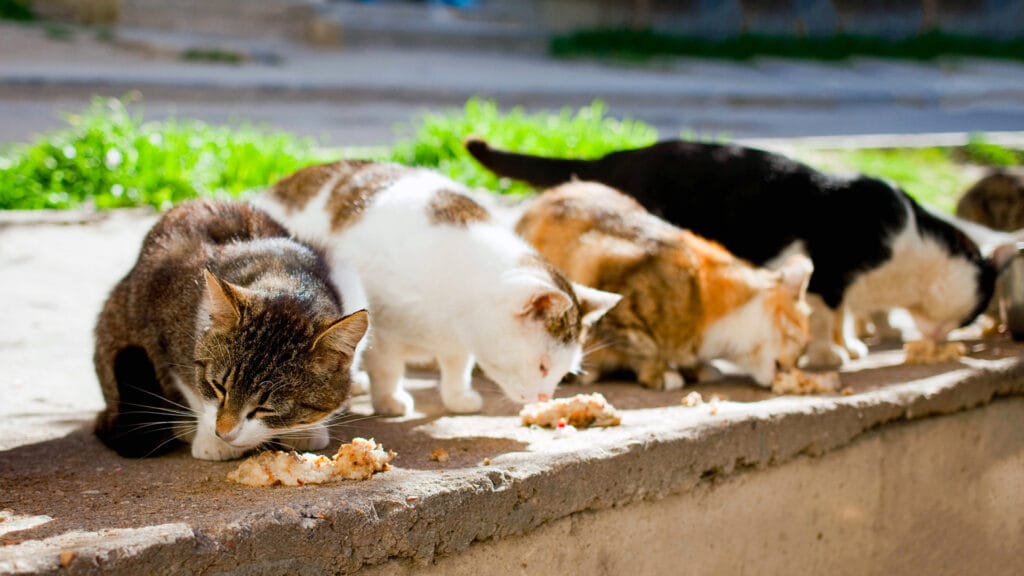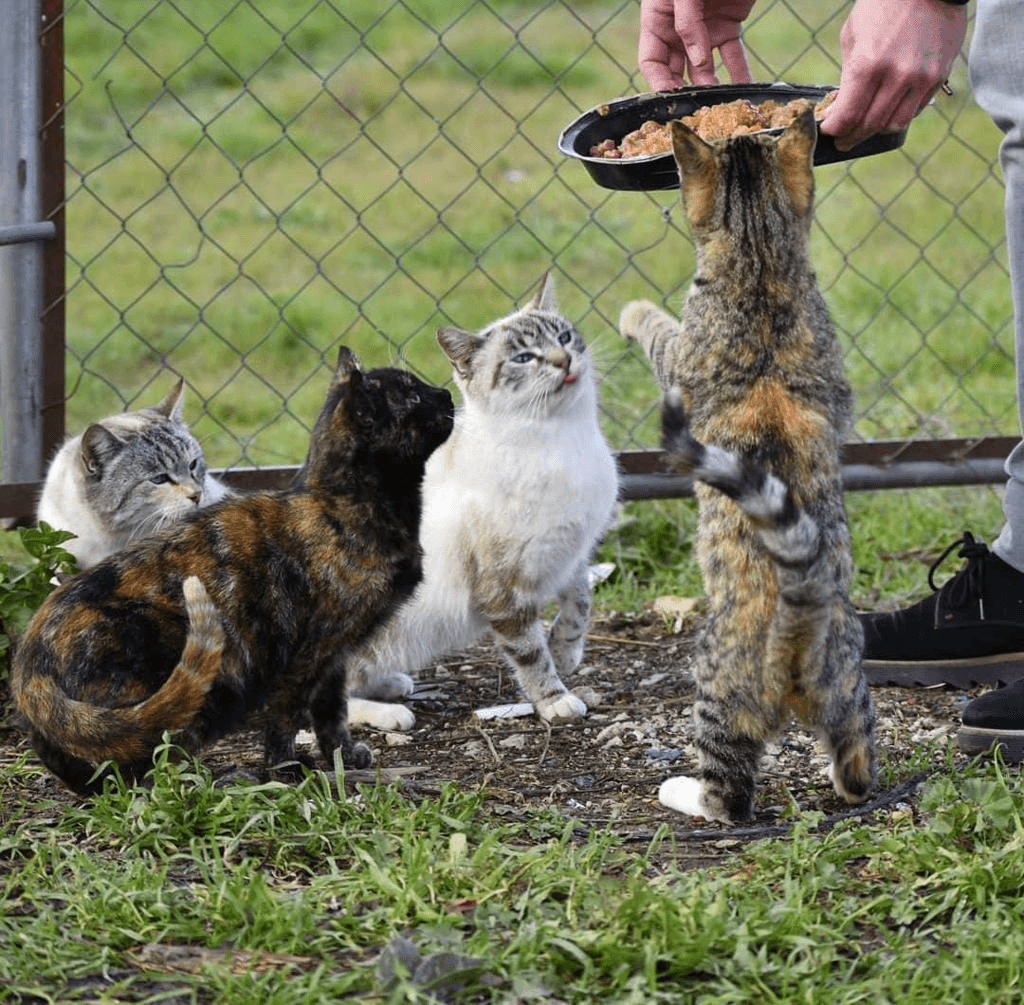










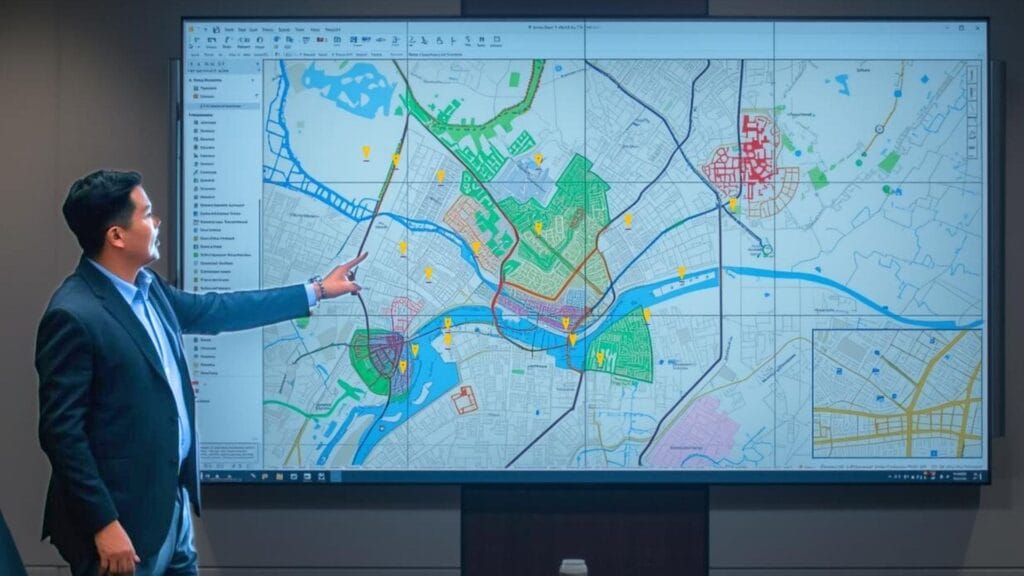
Municipal community cat management is not only about technology; Meow Metrics is built on the belief that effective colony care depends equally on data, collaboration, and community engagement.
However, experience has shown that sterilization alone is not enough.
When a municipal TNR program lacks structure, coordination, and long-term follow-up, the result is often operational exhaustion, recurring conflicts, budget inefficiencies, and frustration for both municipal staff and volunteers.
The reality is simple:
A successful municipal TNR program requires organization, data, coordination, and continuity.
Why Many Municipal TNR Programs Struggle
In many municipalities, TNR programs still operate reactively rather than strategically.
Interventions often happen only after problems appear:
- neighborhood complaints;
- emergency litters;
- specific incidents;
- or public pressure.
Without planning, municipalities are constantly “putting out fires” instead of managing colonies systematically and preventively.
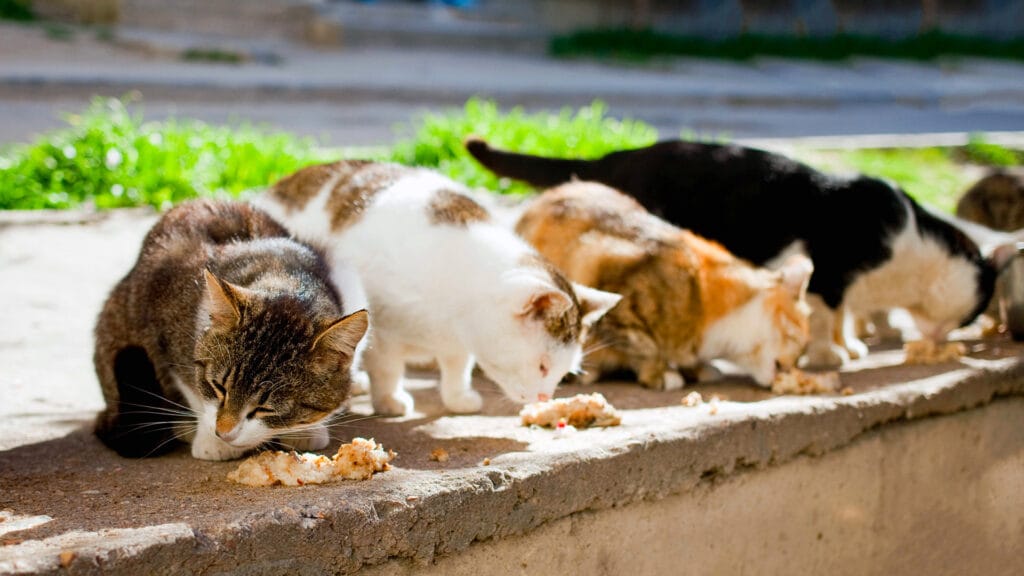
At the same time, communication is often fragmented.
Coordination between colony caregivers, municipal staff, veterinarians, and volunteers frequently depends on:
- personal WhatsApp messages;
- informal phone calls;
- scattered spreadsheets;
- or disconnected email chains.
As a result, information becomes dispersed across different devices, documents, and communication channels.
No unified system exists.
And without centralized information, municipalities lose visibility over:
- colony evolution;
- sterilization rates;
- veterinary interventions;
- recurring incidents;
- and operational priorities.
This also creates excessive dependence on specific individuals.
Many programs survive only because one volunteer or one municipal technician is extraordinarily committed.
But when that person becomes unavailable, changes role, or burns out, the system weakens immediately.
Most municipal TNR programs do not fail because of a lack of commitment. They fail because of a lack of structure.

The Most Common Mistake in Municipal TNR Management
One of the biggest mistakes municipalities make is treating TNR as a collection of isolated actions instead of a long-term public management program.
Captures are organized separately.
Sterilizations happen reactively.
Incidents are managed individually.
But without shared protocols, clear workflows, and structured coordination, information is lost and efforts become duplicated.
This operational disorder creates very real consequences:
- recurring litters;
- repeated interventions;
- higher operational costs;
- volunteer exhaustion;
- and constant administrative pressure.
Over time, municipalities become trapped in reactive management instead of building a stable and sustainable system.
Good TNR management begins long before the first capture. It starts with organization, planning, and clear operational criteria.
What Successful Municipal TNR Programs Have in Common
Municipalities with the most effective TNR programs usually share several important characteristics:
- a clear municipal TNR protocol adapted to local realities;
- integrated and recognized colony caregivers;
- stable collaboration with veterinary clinics;
- centralized information systems;
- regular follow-up and measurable evaluation.
When these elements work together, the results become visible very quickly:
- fewer litters;
- fewer neighborhood conflicts;
- better coordination;
- and more efficient use of public resources.
Structured coordination always creates more sustainable results.
Why Measuring and Planning Matter
One of the biggest improvements in community cat management happens when municipalities stop operating through urgency and begin managing through data.
This changes everything.
Because data allows municipalities to:
- prioritize interventions objectively;
- allocate resources more efficiently;
- justify budgets and grants;
- identify emerging problems early;
- and evaluate whether the TNR program is actually working.
Without data, decisions depend almost entirely on perception or individual memory.
With structured information, municipalities gain:
- traceability;
- operational visibility;
- legal security;
- and long-term continuity.
And most importantly:
Data transforms TNR from isolated actions into a real public policy.
A Realistic Roadmap for Implementing a Municipal TNR Program
One of the biggest misconceptions is believing that municipalities must solve everything immediately.
In reality, successful implementation usually happens progressively.
Especially in small and medium-sized municipalities.
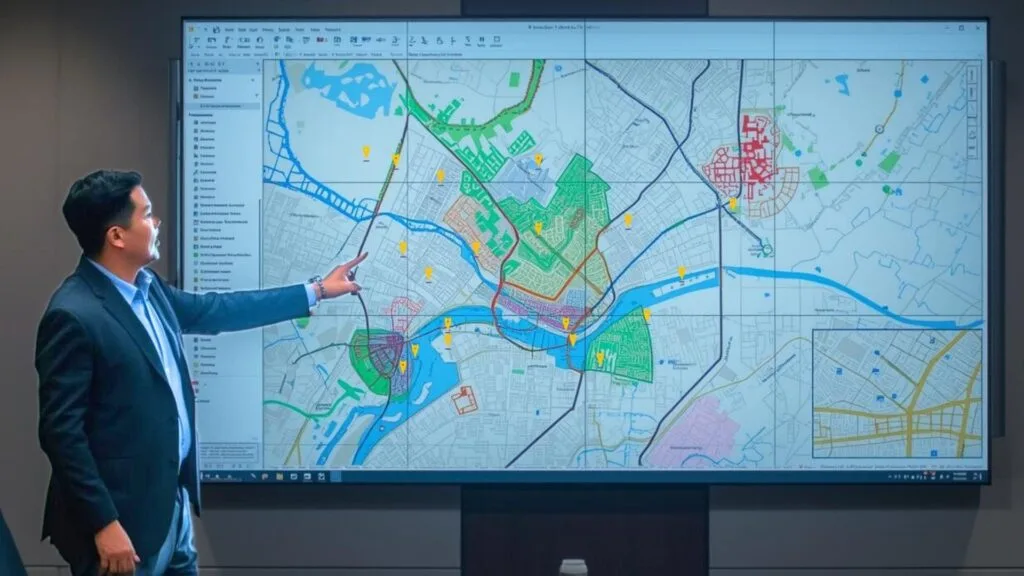
A realistic roadmap often includes:
1. Initial Planning
- defining protocols;
- identifying roles and responsibilities;
- and involving all relevant stakeholders.
2. Operational Implementation
- improving coordination;
- centralizing communication;
- and introducing management tools.
3. Evaluation and Adjustment
- reviewing results;
- identifying weaknesses;
- and continuously improving workflows.
4. Annual Review
- consolidating the program;
- presenting results;
- and strengthening long-term sustainability.
The goal is not to implement a program quickly. The goal is to implement it properly from the beginning.
https://www.alleycat.org/resources/trapa
-neuter-return-research-compendium/?utm_source
Digital Tools Are Becoming Essential
As municipal TNR programs grow, manual management becomes increasingly difficult.
Scattered records, informal communication, and fragmented information eventually create operational inefficiencies that limit both coordination and long-term sustainability.
This is where digital tools become essential.
Modern management platforms allow municipalities to:
- centralize colony records;
- track sterilizations and veterinary interventions;
- manage incidents and alerts;
- improve coordination between stakeholders;
- and generate structured reports automatically.
Platforms like Meow Metrics are specifically designed to support municipalities through:
- traceability;
- structured coordination;
- legal compliance;
- and long-term public management.
Technology should not replace people. It should help people work together more effectively.
Organizing TNR Management Is Possible
Municipal community cat management does not need to depend on improvisation or individual effort alone.
With:
- planning;
- structured information;
- coordination;
- and the right tools;
TNR programs can become sustainable, organized, and defensible public policies.
Every municipality starts from a different reality.
But the objective remains the same:
better coexistence, better public health, better animal welfare, and more efficient municipal management.
- Alley Cat Allies – Community Cats and Trap-Neuter-Return (TNR)
- Community Cats Central – Training and Resources for Colony Caretakers