











From Data to Action: The Path Toward Biodiversity Credits
When we talk about biodiversity, we often imagine something distant: vast forests, protected wetlands, or remote natural reserves — places where the “important” environmental work seems to happen.
But the reality is much closer — and far more exciting.
Biodiversity also lives within our cities.
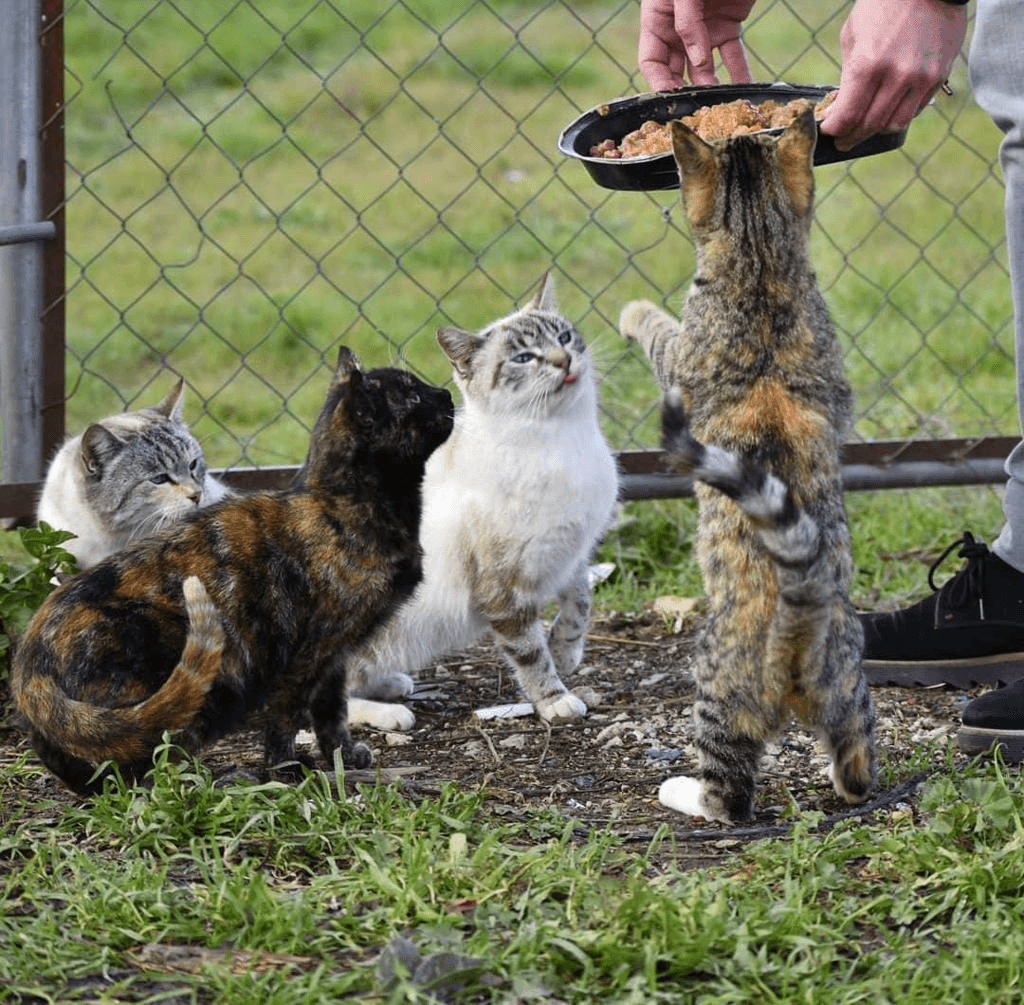
It exists in the parks where we walk, in the birds nesting on our buildings, in the community cats that form part of the urban landscape, and in the insects pollinating the trees that provide shade during the hottest days of summer.
And this is where things become particularly interesting:
that biodiversity has value.
Ecological value.
Social value.
And increasingly, economic value.
A value that is beginning to be recognized internationally through biodiversity credits — an emerging mechanism that could transform how we protect nature, not only in rural environments, but also within cities themselves.

What Are Biodiversity Credits?
Biodiversity credits are a mechanism designed to measure, certify, and financially support real improvements in ecosystems.
If a city, company, or public administration succeeds in improving biodiversity within a territory — through increased species richness, habitat restoration, ecosystem recovery, or stronger ecological connectivity — that positive environmental impact can potentially be quantified and transformed into a biodiversity credit.
These credits may eventually be used to:
- compensate for environmental impacts;
- comply with emerging European regulations;
- attract green investment and sustainability funding;
- or demonstrate measurable environmental commitment to citizens and regulatory institutions.
But the principle behind biodiversity credits is always the same:
there are no biodiversity credits without verifiable data.
And that is where the real transformation begins.
Why Cities Are Entering This Emerging Market
Because Europe is already moving in that direction.
The EU Biodiversity Strategy 2030, the European Green Deal, sustainable finance taxonomy frameworks, and new environmental compliance models are all pointing toward the same future:
cities that restore nature, regenerate degraded spaces, and objectively measure their environmental impact.
Urban biodiversity is no longer optional.
Cities are increasingly expected not only to protect biodiversity — but also to demonstrate that protection through measurable evidence.
And suddenly, every small action begins to matter:
- every tree planted;
- every restored urban wetland;
- every stabilized community cat colony;
- every improvement in urban wildlife management.
Everything contributes.
But only if it can be measured.
From Observation to Measurement — and From Measurement to Action
For years, urban biodiversity was something we intuitively knew existed, but rarely quantified properly.
Questions such as:
- How many species coexist within a neighborhood?
- Where are the ecological pressure points?
- Which urban areas are gaining biodiversity — and which are losing it?
often remained unanswered.
Without data, there can be no effective public policy.
And without public policy, long-term impact becomes extremely difficult.
This is precisely why Zoometrics was created:
to help cities understand, monitor, and protect urban biodiversity through evidence-based management.
Because if biodiversity can be measured, it can be improved.
And if it can be improved, it can also be valued.
How Zoometrics Helps Build the Foundations for Future Biodiversity Credits
Zoometrics modules generate auditable, anonymized data aligned with European environmental standards.
This allows municipalities to:
- quantify the real state of urban biodiversity;
- monitor trends with precision;
- demonstrate environmental improvements through evidence;
- and build robust environmental impact indicators.
Structured records, traceability systems, species mapping, historical evolution data, and verifiable evidence…
These are exactly the types of requirements that future European biodiversity credit markets are expected to demand once they become fully operational.
Zoometrics does not sell biodiversity credits.
However, it helps build the digital infrastructure necessary for municipalities to be prepared when these markets mature:
prepared with data, evidence, and reliable environmental histories.
Because municipalities that do not measure biodiversity today may struggle to demonstrate or valorize it tomorrow.
Urban Biodiversity Is Becoming a Strategic Asset
Urban biodiversity is no longer simply a “beautiful environmental ideal.”
It is rapidly becoming a central component of how future cities will achieve:
- sustainability;
- resilience;
- public health;
- climate adaptation;
- and long-term quality of life.
And if there is one thing we have learned over the years, it is this:
transformation almost always begins the same way.
By paying attention to what already exists.
By measuring it properly.
And by deciding to protect it more intelligently.
And perhaps, sooner than we imagine, those same biodiversity data systems may also become new opportunities for municipalities themselves.
https://dumas.ccsd.cnrs.fr/dumas-05451180v1/file/2025lyon153.pdf?utm_source
https://www.humaneworld.org/en/resources/help-community-cats-tnr-program?utm_source