




Entender y cuidar la biodiversidad urbana, juntos.
Zoometrics es la infraestructura digital que permite a las ciudades gestionar su biodiversidad de forma simple, transparente y colaborativa.

ZOOMETRICS. Smart metrics for smart cities
Zoometrics es una suite de software para gestionar de forma conjunta la convivencia entre personas, animales y plantas en el municipio, con datos geolocalizados y enfoque One Health.
Zoometrics combina ciencia, tecnología y comunidad para ayudar a gobiernos, instituciones y ciudadanos a crear ciudades más saludables, diversas y sostenibles.
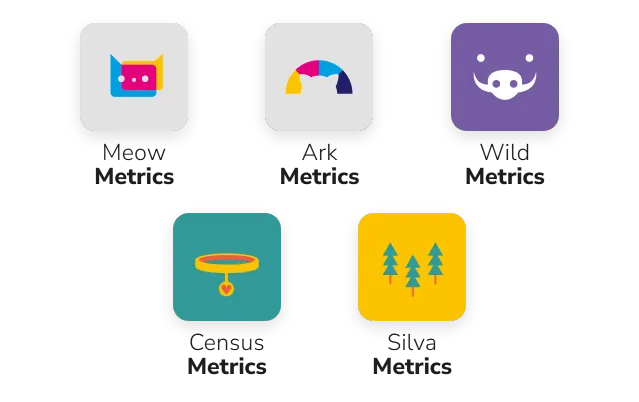
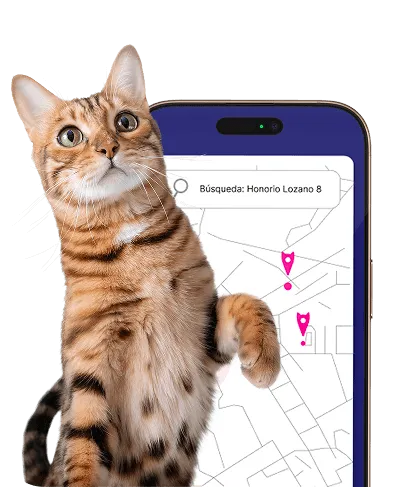
Meow Metrics es una plataforma para gestionar colonias felinas con el método CER. Ark Metrics, Wild Metrics, Silva Metrics y Census Metrics completan la suite.



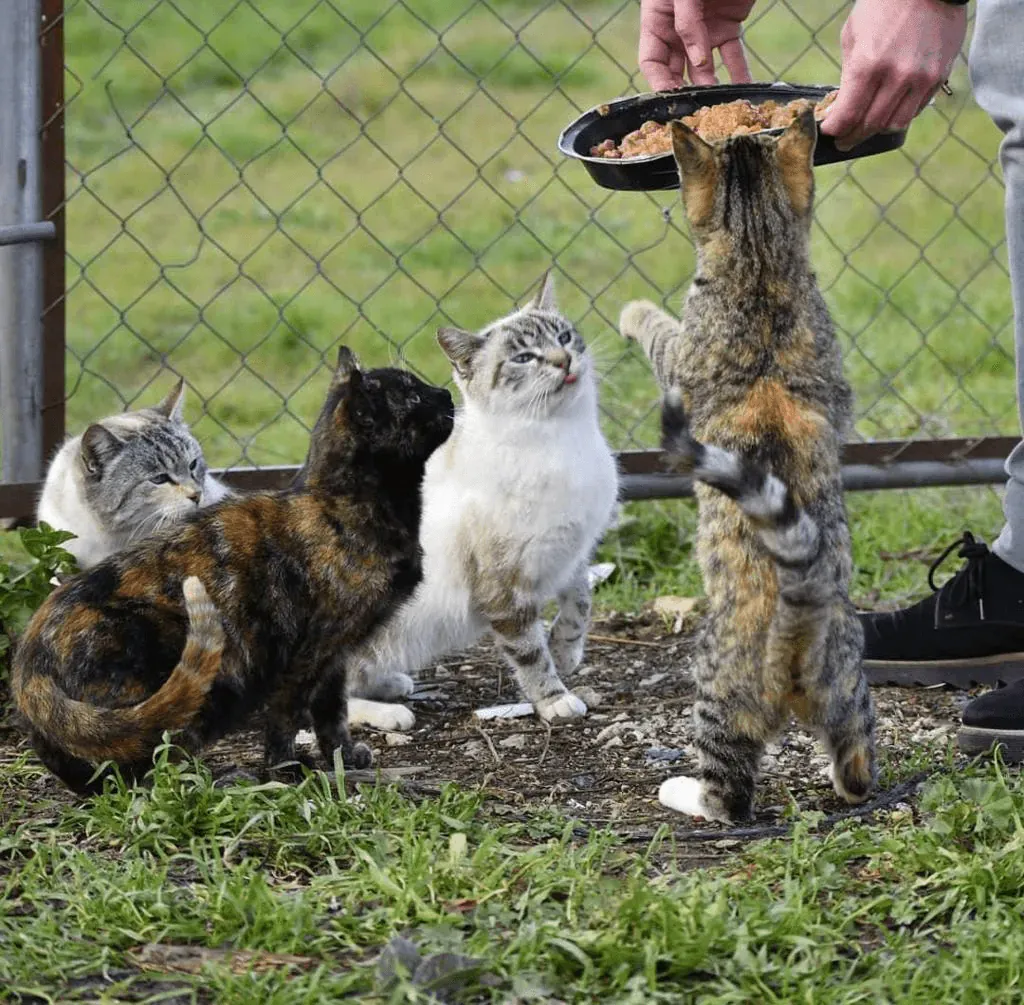
Gestión integral de colonias felinas comunitarias.
Ver más

Guardianes medioambientales: La ciudadanía que impulsa la evolución de ciudades sostenibles.
En Zoometrics, los datos surgen de la colaboración entre vecinos, voluntarios y técnicos. Cada aporte se valida y se convierte en evidencia confiable que orienta políticas públicas y fortalece la confianza en la gestión.

Suite modular.
Cada módulo, una pieza del ecosistema.
Meow, Ark, Wild, Silva y Census forman la suite Zoometrics.

Datos claros y trazables.
Evidencia que respalda decisiones.
Cada registro es auditable y se transforma en informes automáticos y métricas objetivas, garantizando transparencia y justificación presupuestaria.
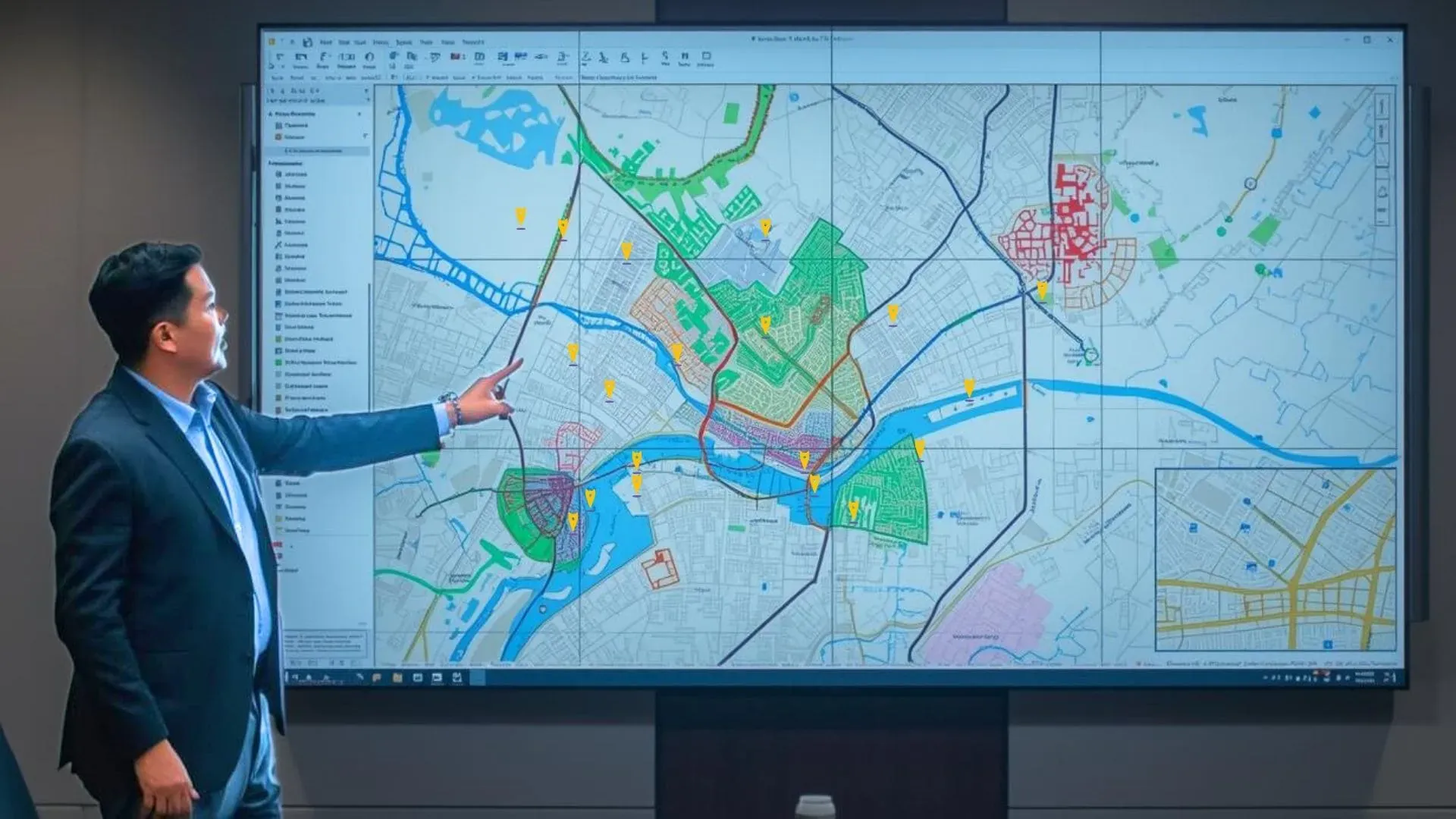
Mapas y geolocalización.
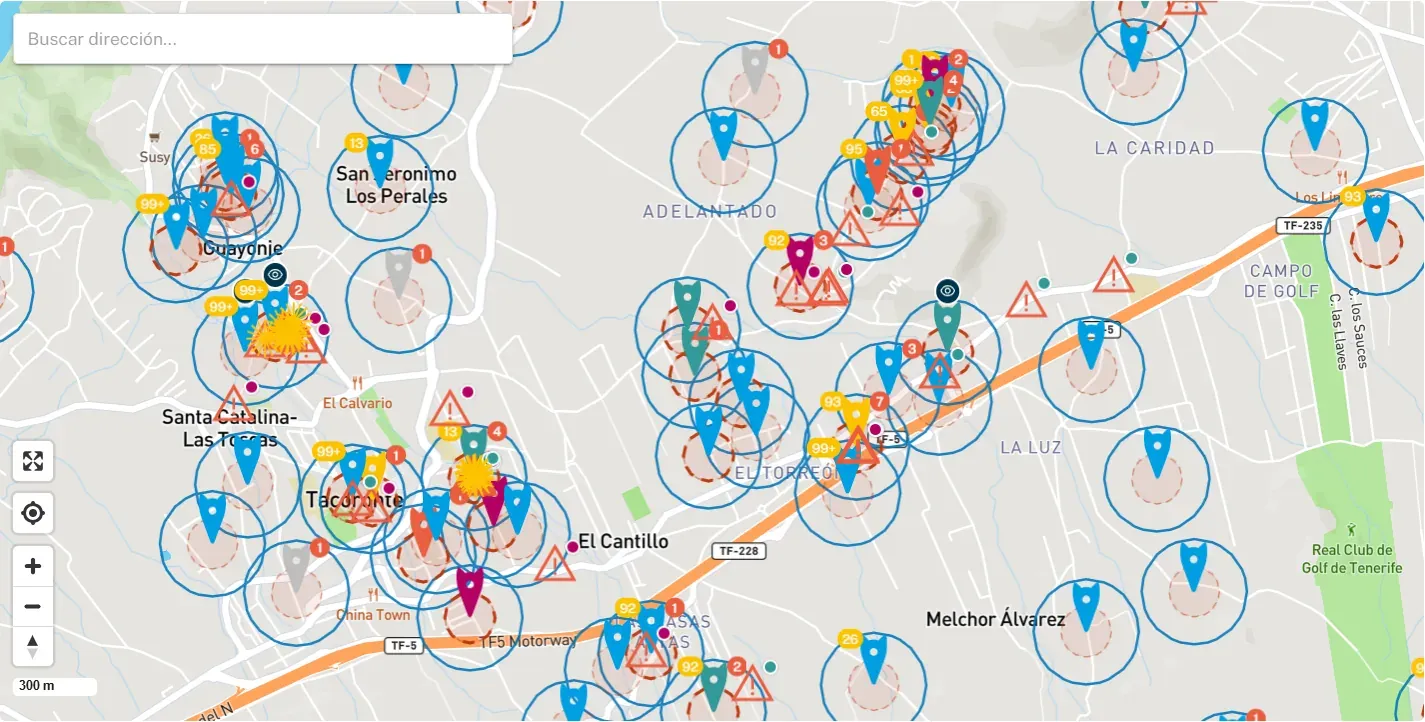
Datos geolocalizados sobre mapas.

Enfoque One Health.
Una sola salud: personas, animales, ecosistemas.
La suite integra salud humana, animal y medioambiental, alineada con la estrategia One Health de la OMS y la UE.

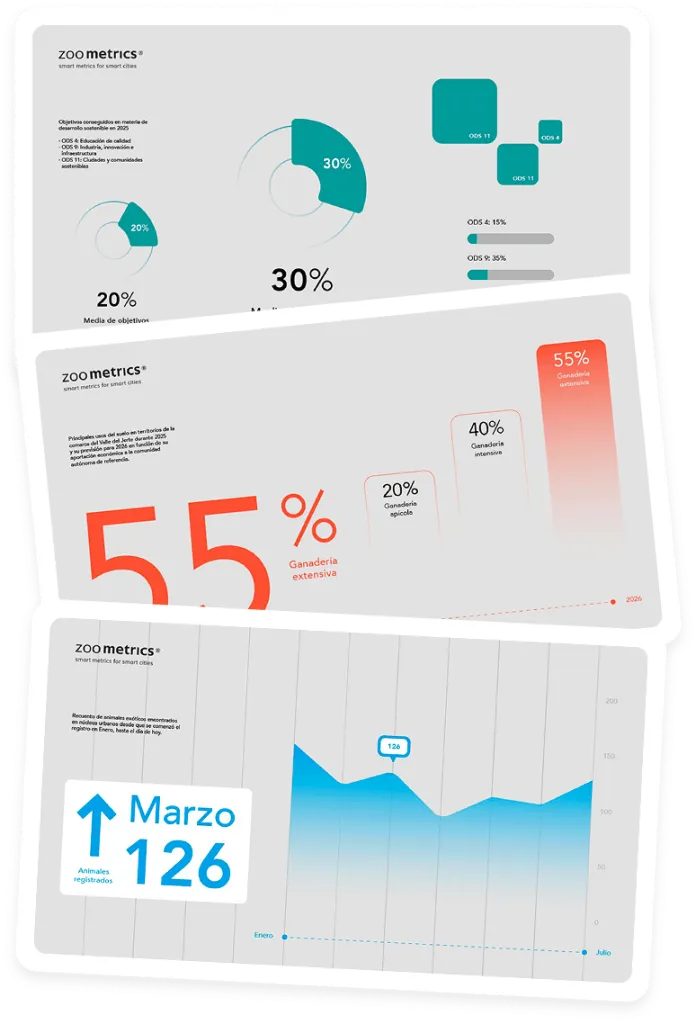
Informes automáticos y visualizaciones dinámicas.
La información que importa, al instante.
Dashboards intuitivos, alertas tempranas y visualizaciones geoespaciales permiten actuar con rapidez y planificar con precisión.

Infraestructura segura y confiable.
Cumplimiento europeo, confianza global.
Servidores en la UE.


Anonimización y valor científico.
Datos que también sirven a la ciencia.
Ayuntamientos y entidades que ya nos eligen
+50
Municipios y entidades
+1.798
Colonias registradas
+14.884
Gatos registrados
+922
Gestoras de colonias
+20.411
Actuaciones registradas
+10.804
Avisos registrados
+22.599
Horas de voluntariado estimadas
+3
Paises


























Colaboran y trabajan con nosotros








ZOOMETRICS, MONITORIZACIÓN DE BIODIVERSIDAD URBANA.
Construyamos juntos ciudades más sostenibles.
Descubre cómo Zoometrics ayuda a tu municipio a cumplir la normativa, mejorar la convivencia y proteger la biodiversidad de tu ciudad.

ZOOMETRICS, LO QUE PROTEGEMOS
La naturaleza también vive en la ciudad.
La biodiversidad urbana es el conjunto de animales, plantas y ecosistemas que habitan en calles, parques y barrios. No es un lujo: es parte esencial de nuestra salud, de la convivencia y del equilibrio social.
En Zoometrics queremos ponerla en valor y la convertimos en evidencia clara para que ciudades, comunidades y ciudadanos puedan cuidarla, protegerla y planificar su futuro de forma sostenible.
Soñamos con ciudades más verdes, diversas y vivas, donde la naturaleza forme parte de nuestro día a día.
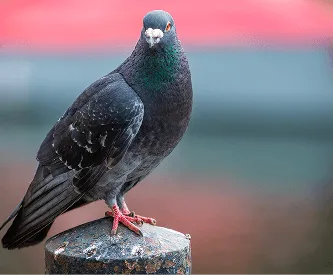
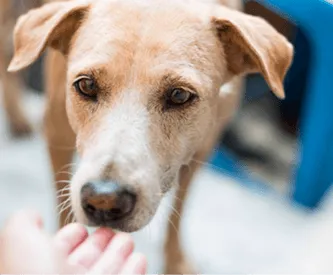



“Proteger la biodiversidad y los ecosistemas aporta beneficios directos a la salud y la cohesión social.” — Comisión Europea, The Health and Social Benefits of Nature and Biodiversity Protection (2016)
Guardianes medioambientales
Vecinos, voluntarios, técnicos municipales y veterinarios son la primera línea de cuidado de la biodiversidad urbana.
En Zoometrics les damos reconocimiento, trazabilidad, herramientas y un espacio donde su trabajo se multiplica con impacto real.
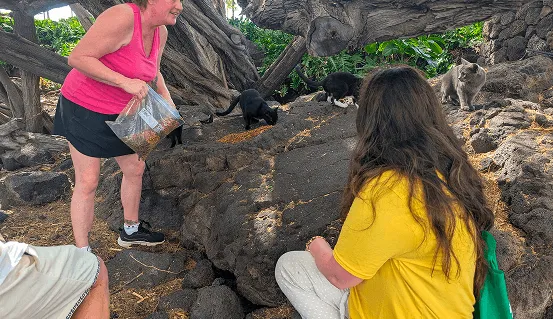

HISTORIAS DE GUARDIANES
Conoce experiencias e historias de nuestros guardianes.
CONSTRUYENDO UN NUEVO PARADIGMA
Hacia un estándar europeo de datos de biodiversidad urbana.

La gestión de la biodiversidad urbana ya está integrada en el marco legal europeo: la Ley 7/2023 de Bienestar Animal, la Estrategia de Biodiversidad 2030, el Pacto Verde Europeo y el enfoque One Health de la OMS y la UE, entre otros.
Zoometrics acompaña a los municipios en este proceso, con datos trazables y alineados con estándares europeos que aseguran seguridad jurídica, transparencia y acceso a apoyo y financiación.